
 ForexSan
 12/09/2024
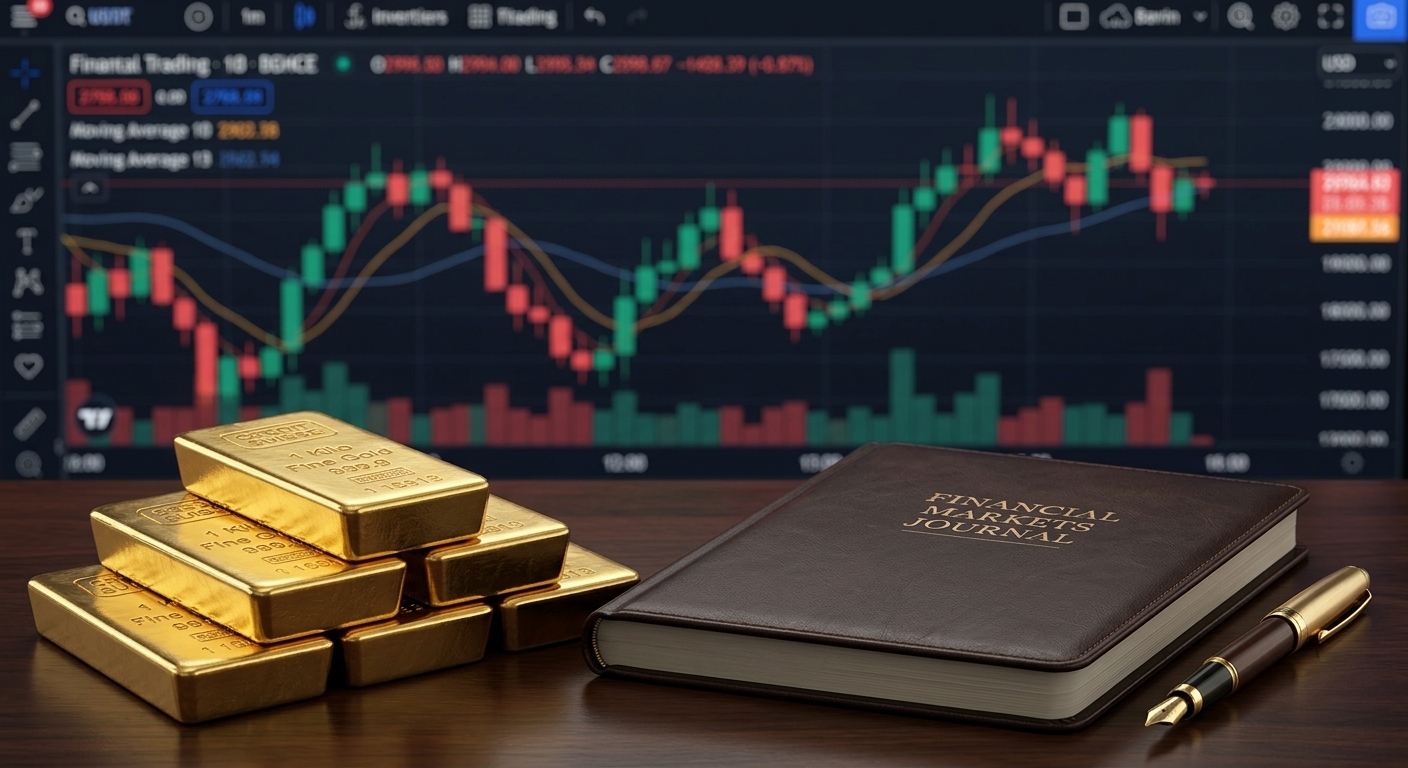
A trading journal can also help you manage your emotions. By documenting your thoughts and feelings during trades...
Forex trading, or foreign exchange trading, involves buying and selling currencies to profit from changes in exchange rates. While it offers significant profit potential, it also comes with substantial risks. Here are ten detailed tips to help you avoid losing money in the forex market:
1. Do Your Homework
Research and Education: Before you start trading, it’s crucial to understand the forex market. This involves studying the economic, political, and social factors that influence currency values. For instance, interest rates, inflation, and political stability can all impact exchange rates. Utilize resources like online courses, webinars, and books to build a solid foundation.
Continuous Learning: The forex market is dynamic, and staying updated with the latest market conditions, regulations, and global events is essential. Subscribe to financial news websites, follow expert traders on social media, and participate in trading forums to keep your knowledge current.
Technical and Fundamental Analysis: Learn the basics of technical analysis, such as reading charts and using indicators like moving averages and RSI (Relative Strength Index). Also, understand fundamental analysis, which involves evaluating economic indicators and news events that affect currency prices.
2. Find a Reputable Broker
Regulation: Choosing a broker regulated by reputable authorities like the NFA (National Futures Association) or CFTC (Commodity Futures Trading Commission) in the U.S., or ESMA (European Securities and Markets Authority) in Europe, is crucial. Regulation ensures that the broker adheres to strict financial standards and provides a level of protection for your funds.
Broker Research: Investigate the broker’s offerings, including leverage options, commissions, spreads, and withdrawal policies. Look for brokers with transparent fee structures and good customer service. Reading reviews and testimonials from other traders can also provide insights into the broker’s reliability.
Demo Accounts: Many brokers offer demo accounts that allow you to practice trading with virtual money. Use these accounts to familiarize yourself with the broker’s platform and test your trading strategies without risking real money.
3. Use a Practice Account
Simulation Trading: A practice account, also known as a demo account, allows you to trade with virtual money. This is an excellent way to gain experience and confidence without the risk of losing real money. Use the practice account to test different trading strategies and learn how to use the trading platform effectively.
Transition to Real Trading: Once you feel confident with your practice account, start trading with real money. Begin with small amounts to minimize risk and gradually increase your investment as you gain more experience.
4. Keep Analysis Simple
Effective Techniques: When it comes to analysis, simplicity is often more effective. Use straightforward methods to make informed decisions. For example, focus on a few key indicators that you understand well, rather than trying to use every available tool.
Avoid Overcomplication: Overcomplicating your analysis can lead to confusion and poor trading choices. Stick to a simple trading plan and avoid making impulsive decisions based on short-term market fluctuations.
Consistency: Consistency in your analysis approach is key. Whether you prefer technical or fundamental analysis, stick to your chosen method and refine it over time.
5. Implement Proper Money Management
Risk Control: Effective money management is crucial in forex trading. Use strategies like stop-loss orders to limit potential losses. A stop-loss order automatically closes your trade when the price reaches a certain level, preventing further losses.
Position Sizing: Determine the size of your trades based on your account balance and risk tolerance. A common rule is to risk no more than 1-2% of your account balance on a single trade. This helps protect your capital and ensures you can continue trading even after a few setbacks.
Diversification: Diversify your trades by investing in different currency pairs. This reduces the risk of significant losses if one currency pair performs poorly.
6. Start Small
Initial Investments: Begin with small trades to minimize risk. This approach allows you to learn and adapt without the pressure of significant financial loss. As you gain experience and confidence, you can gradually increase your trade sizes.
Learning Curve: Understand that there is a learning curve in forex trading. Starting small helps you manage this learning process without risking large amounts of money.
Patience: Be patient and avoid the temptation to make large trades in the hope of quick profits. Successful trading requires discipline and a long-term perspective.
7. Control Leverage
Leverage Management: Leverage allows you to control a large position with a relatively small amount of money. While leverage can amplify your profits, it can also magnify your losses. Use low leverage to reduce the risk of significant losses.
Understanding Leverage: Understand how leverage works and the risks associated with it. For example, a leverage ratio of 50:1 means you can control $50,000 with just $1,000. However, if the market moves against you, your losses can quickly exceed your initial investment.
Risk Management: Use risk management tools like stop-loss orders and limit orders to protect your capital when using leverage. These tools help you manage your trades and limit potential losses.
8. Maintain a Trading Journal
Record Keeping: Keeping a trading journal helps you track your trades, analyze performance, and learn from your mistakes. Documenting your trades provides valuable insights into your trading habits and strategies.
Performance Analysis: Regularly review your trading journal to identify patterns and areas for improvement. This helps you refine your trading strategy and make more informed decisions.
Emotional Control: A trading journal can also help you manage your emotions. By documenting your thoughts and feelings during trades, you can identify emotional triggers that lead to poor decisions and develop strategies to manage them.
9. Understand Tax Implications
Tax Awareness: Be aware of the tax rules related to forex trading in your country. Understanding the tax implications can help you plan your trades better and avoid any legal issues.
Record Keeping: Keep detailed records of your trades, including dates, amounts, and profits or losses. This information is essential for accurate tax reporting.
Professional Advice: Consider consulting a tax professional to ensure you comply with all tax regulations and take advantage of any available deductions or credits.
10. Treat Trading as a Business
Professional Approach: Approach forex trading with a professional mindset. Develop a trading plan and stick to it. Treat your trading activities like a business, with clear goals, strategies, and risk management practices.
Trading Plan: A trading plan outlines your trading goals, risk tolerance, and strategies. It helps you stay focused and disciplined, reducing the likelihood of impulsive decisions.
Continuous Improvement: Continuously evaluate and improve your trading plan. Stay open to learning and adapting as you gain more experience and the market evolves.
By following these tips, you can navigate the forex market more safely and increase your chances of success. Remember, forex trading requires patience, discipline, and continuous learning. Happy trading!